Ni Una Más
Behind every statistic and number is una vida, una familia, una historia.

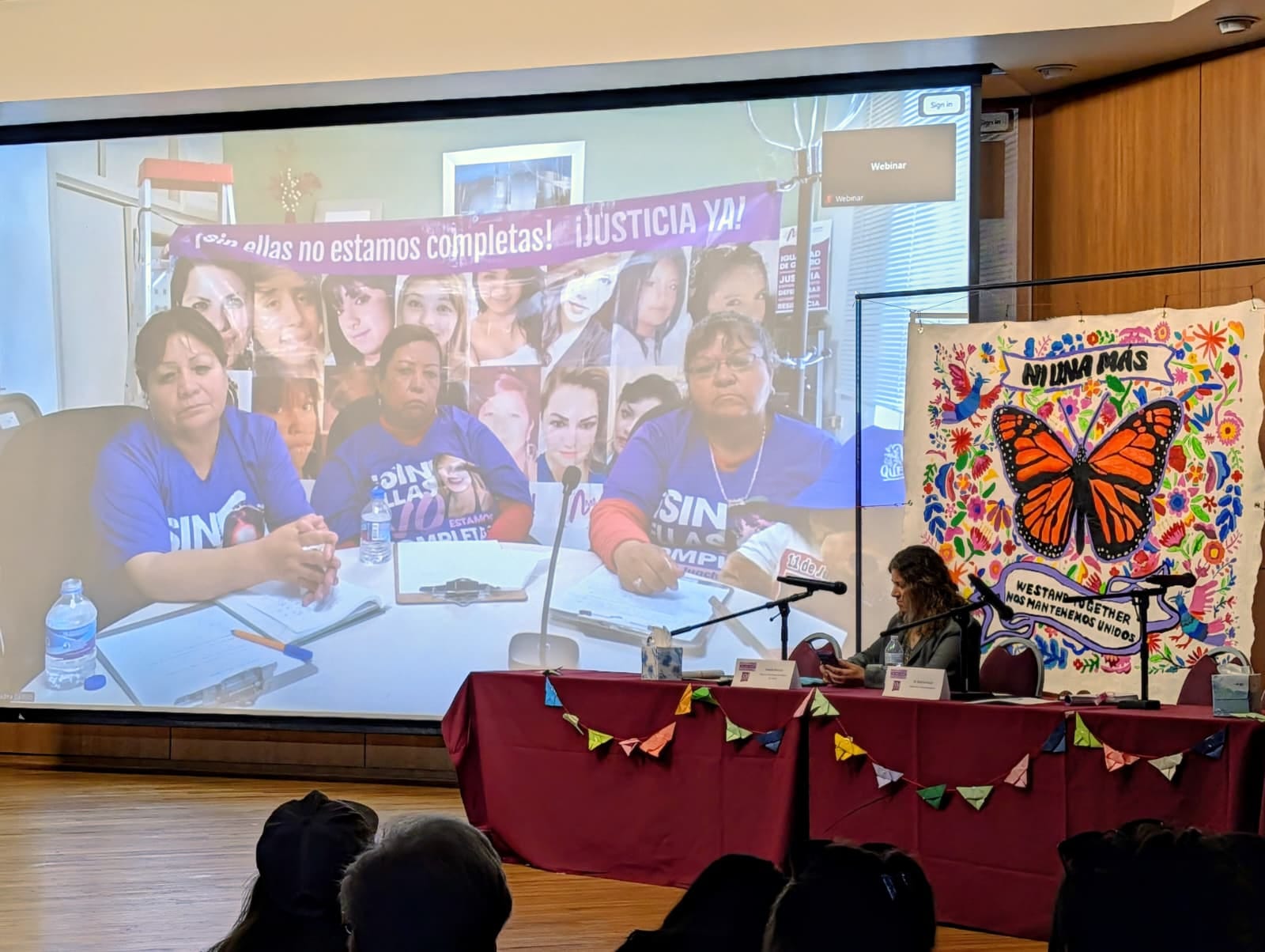
I attended a social justice symposium this week at NMSU called Ni Una Más (Not One More): Standing Together Against Femicide and Gender-based Violence. These parents – especially mothers – siblings, community members, academics, activists, and others from the Ciudad Juarez area have been mourning the loss of these young women and girls for decades. They are trying to end the violence against women and girls and seek justice for these thousands of lost lives. I caught myself gnawing on my fingers in the dark auditorium as I listened to the grief stricken mothers whose children had been murdered directly across the border from where we search in New Mexico. I saw the distraught faces and slumped shoulders of those who are still searching for their missing daughters. They sat at long tables on stage during panel discussions with the beautiful, smiling faces of their young daughters projected on the screen behind them. It was all so visceral, so real and raw. I didn’t want to let my mind make a connection with these heartbroken women to the remains we find a few miles away in the same desert, the majority of them female.
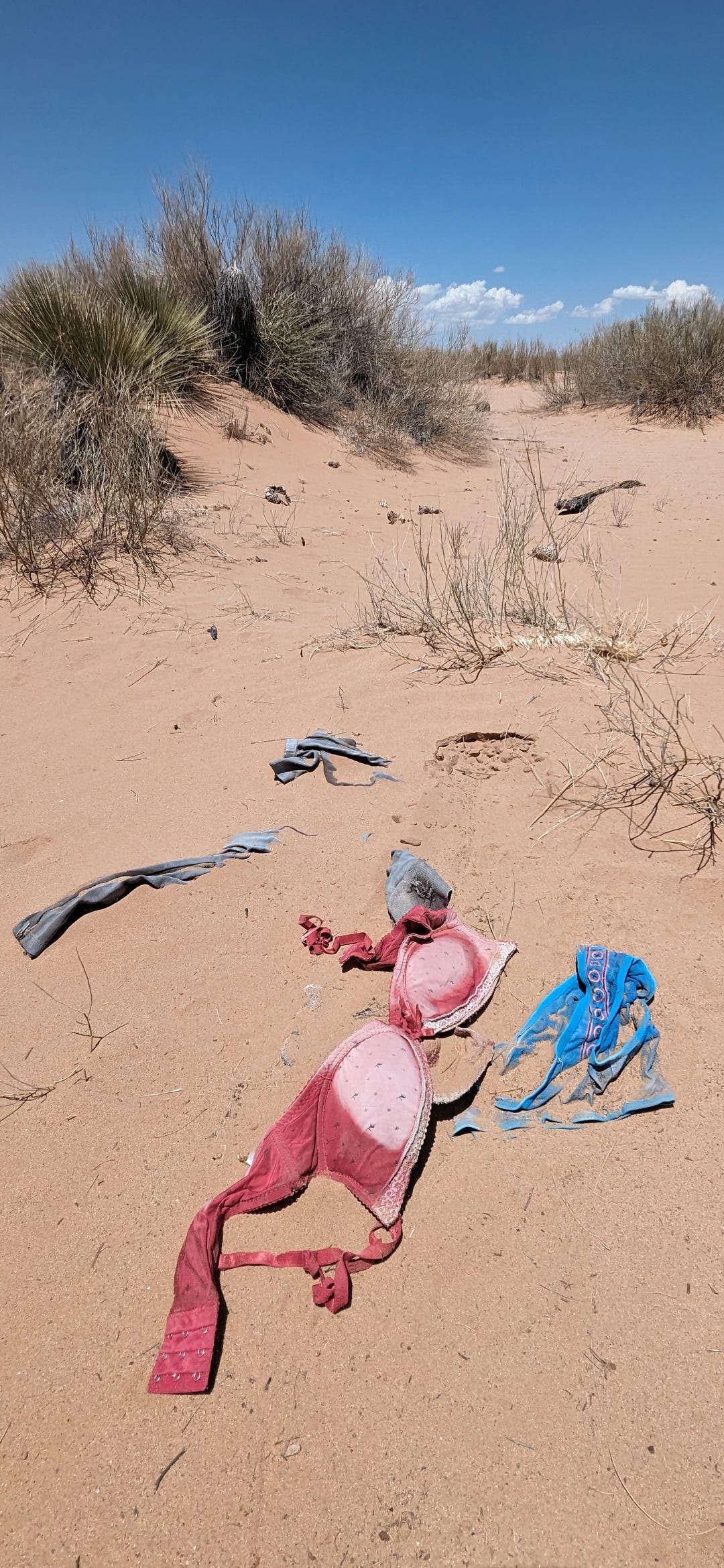
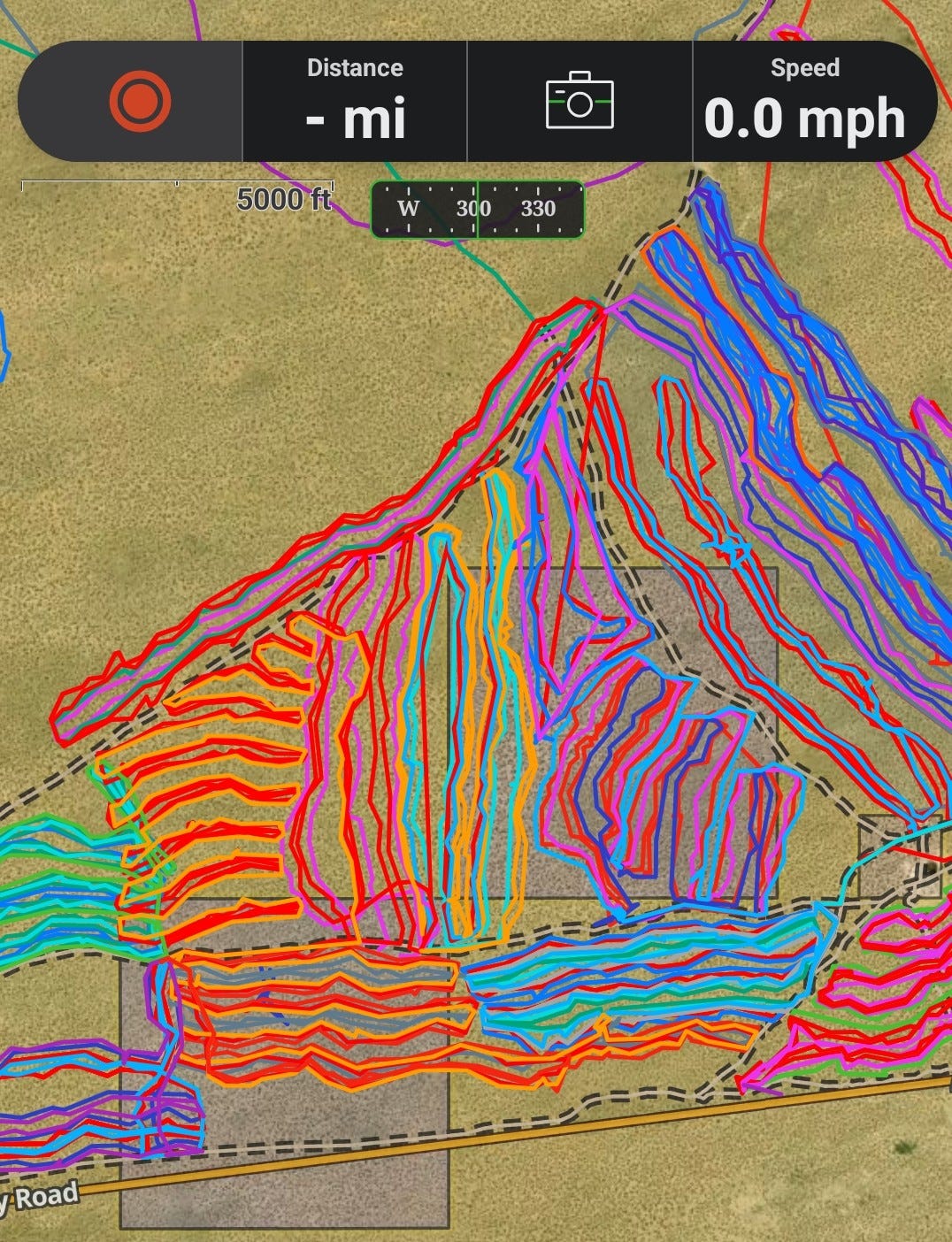
I rarely speak with family members of missing or deceased persons so their pain is at a distance when I am trudging through the deep sands, looking left, looking right, looking left, looking right. There are California-based search groups that are in regular contact with families in other countries and they lead searches looking for specific missing persons. The Battalion Search and Rescue performs general searches. James analyzes where safety seekers might be crossing, or have crossed, and we conduct systematic grid sweeps rather than hiking out to a specific point where a person may have last made contact with a family member. Tragically, we find remains almost every search.
Occasionally, a family member will reach out to our group and I will speak with them in my intermediate Spanish apologizing profoundly for not being able to help while directing them to whom they can contact to potentially locate their missing loved one. It is not our government in any form – not 911, not county search and rescue, not the law enforcement agency who has jurisdiction in that area, not the border patrol. Who often steps up to help are volunteer groups.
The majority of family members seeking information about their missing daughters and sons, mothers and fathers cannot enter into the United States to search for their loved ones themselves. From my first experience witnessing the reality of the border, I have felt like I am searching on behalf of these relatives. I carry them with me. Like the audience members at the conference who chanted to the speaker, ¡No estas sola! ¡No estas sola! I want to tell the distraught mothers, You are not alone! I am out here searching for you.
The poet Rumi said, Surely there is a window heart to heart. Yes, surely there is a window from my heart to the heart of these mothers when I am at a site with human remains. These murdered and missing young girls and women are not mere statistics, numbers. To remember them is a form of justice. To search is an act of protest.
Written by Abbey Carpenter, co-leader of the Battalion Search and Rescue.